
Case Study: Successful Implementation of GrubLink in Local Restaurants


Introduction to GrubLink
In the rapidly evolving restaurant industry, staying ahead of the competition requires innovative solutions. GrubLink has emerged as a transformative tool for local restaurants, providing them with a seamless way to manage orders, enhance customer engagement, and boost revenue. This case study explores the successful implementation of GrubLink in local dining establishments.

Understanding GrubLink's Features
GrubLink offers a comprehensive suite of features designed to streamline restaurant operations. From online ordering and delivery management to customer feedback systems, GrubLink covers all bases. Its user-friendly interface and robust analytics capabilities make it an invaluable asset for restaurateurs looking to optimize their business processes.
Key features include:
- Integrated online ordering system
- Real-time inventory tracking
- Customer relationship management tools
- Detailed sales analytics and reporting
The Implementation Process
The implementation of GrubLink in local restaurants is a straightforward process, typically completed in a few simple steps. It begins with a consultation to understand the specific needs of the restaurant, followed by the installation of the software and training for the staff. This ensures a smooth transition with minimal disruption to daily operations.
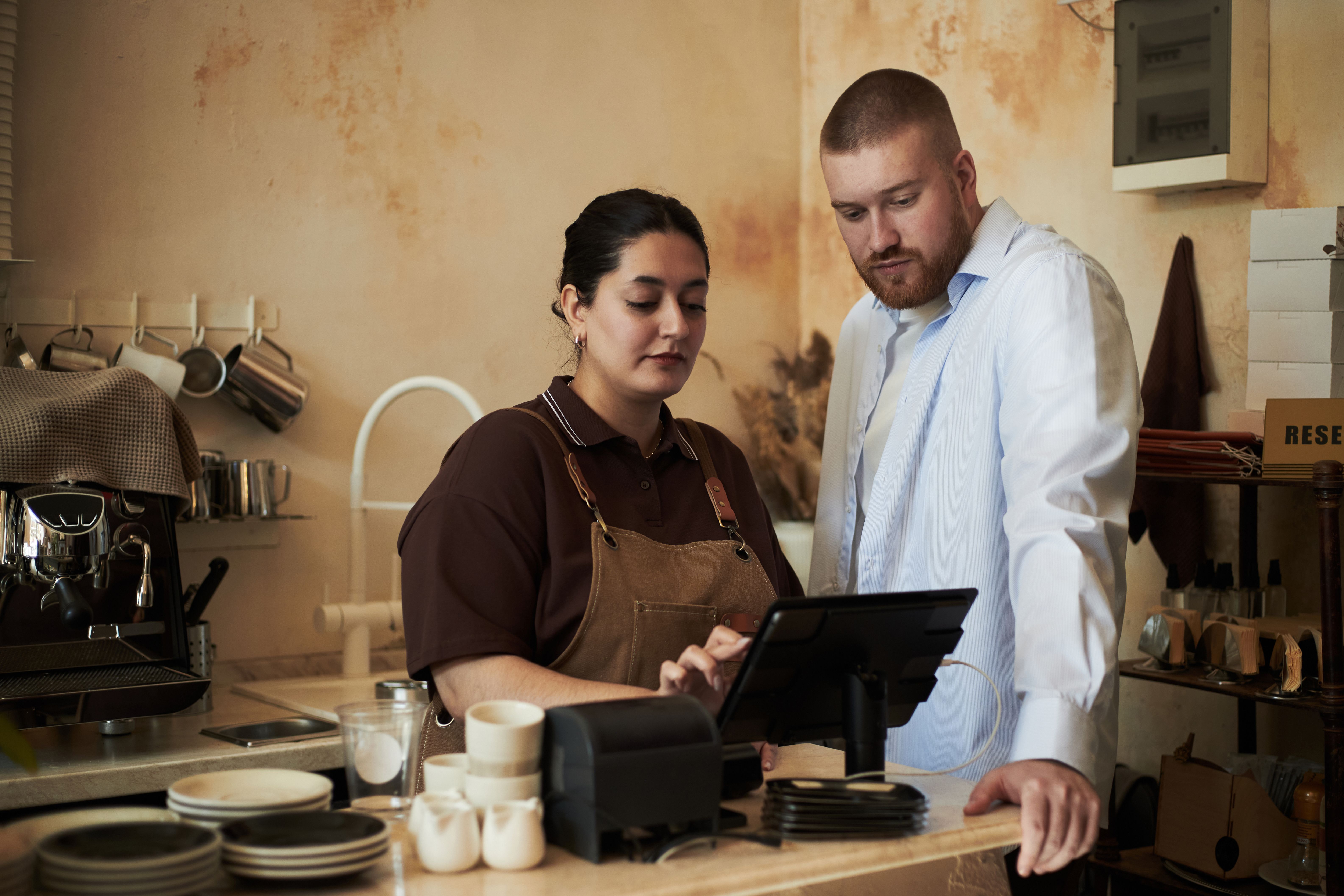
Case Study: Local Success Stories
Several local restaurants have successfully integrated GrubLink into their operations, witnessing significant improvements in efficiency and customer satisfaction. For instance, a family-owned pizzeria reported a 30% increase in online orders within the first month of using GrubLink, thanks to its seamless integration with social media platforms and an intuitive mobile app.
Boosting Customer Engagement
GrubLink’s CRM tools have proven instrumental in enhancing customer engagement. By tracking customer preferences and order history, restaurants can offer personalized promotions and loyalty rewards, fostering a stronger connection with their patrons. This personalized approach has led to increased repeat business and higher customer satisfaction scores.

Financial Impact and ROI
The financial benefits of implementing GrubLink are substantial. Restaurants have reported not only an increase in sales but also a reduction in operational costs. By automating routine tasks and optimizing inventory management, restaurateurs can focus more on delivering exceptional dining experiences.
Moreover, the insights provided by GrubLink’s analytics have enabled smarter business decisions, further enhancing profitability. The return on investment for many establishments was realized within just a few months, underlining the value of this technology.
Conclusion
The successful implementation of GrubLink in local restaurants demonstrates the power of technology in transforming the dining experience. By enhancing operational efficiency and customer engagement, GrubLink serves as a vital tool for modern restaurants striving to thrive in a competitive market. As more establishments adopt this innovative solution, the future of dining looks even more promising.